

The pencils are sharpened, the backpack is new, and somewhere in the house is a kid who has not written a full sentence since June. I taught for more than twenty-five years, and I can tell you the first two weeks of school are where the whole year finds its footing. That is exactly why the right back to school writing activities matter so much right now, before the routines harden and the days get loud. You do not need a workbook or a reward chart. You need a handful of small, low-stress ways to get words moving again, so your child walks into that classroom already believing she has something worth saying.
Why the First Weeks Back Matter
Teachers can tell by the second week of school which kids kept writing over the summer and which ones put the pencil down in May. It has nothing to do with talent. The summer writers just settle in, while the ones who took three months off spend September remembering how to get a thought from their head onto a line. Reading loss gets most of the attention, but writing slips even further, because almost nobody practices it once the last bell rings.
Here is the part parents miss. The fix is small, and it works fastest right at the start of the year. You are not trying to build a novelist by Labor Day. You are trying to knock the rust off, so writing feels normal again instead of like a punishment. Ten honest minutes a few times a week will do it. The best back to school writing activities are simply the small ones you can actually keep up. The people who study back-to-school transitions keep landing on the same three anchors, which are sleep, connection, and predictable routine. Writing, done gently, quietly feeds all three.
So before you buy a single workbook, let go of two things. Let go of correcting every spelling error in week one, because nothing shuts a young writer down faster than a red pen hovering over a fresh start. And let go of length. Three real sentences about being nervous for the first day beat a forced page every single time. Keep those two promises, and the rest of this gets easy.
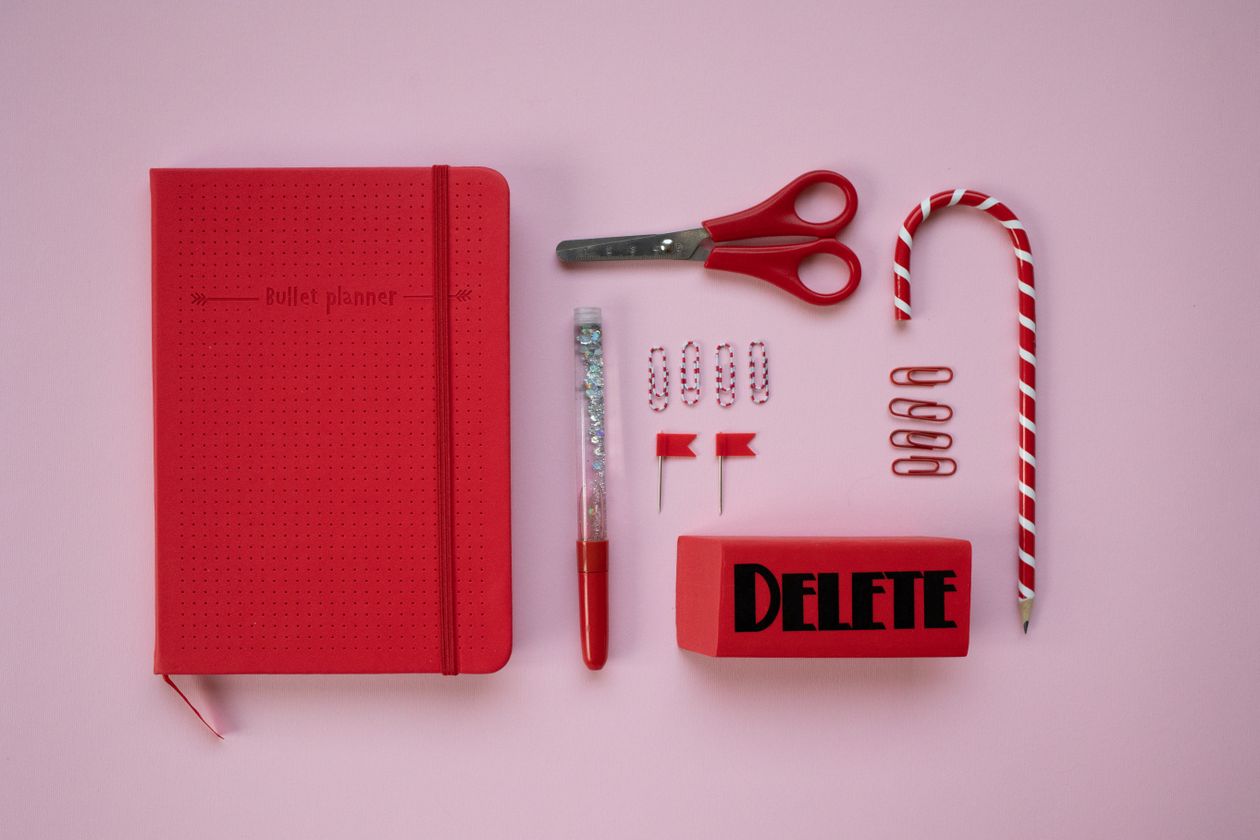
Back to School Writing That Has a Real Job
The fastest way to get a child writing in September is to make the writing useful. Kids can smell busywork from across the kitchen, but hand them a task where the words actually do something, and they forget to resist. Real jobs beat pretend assignments, so go looking for the writing that already lives in your week.
Put your child in charge of the back-to-school supply list. All of it, from checking the closet to writing it out to crossing items off at the store. That is planning, spelling, and audience awareness disguised as an errand. Or start a first-week goals list, written in her handwriting, not yours. Make one friend at lunch. Raise my hand once a day. Finish the chapter book. Tape it inside a locker or on the fridge and let her cross things off all month.
Notes work the same magic. A sticky note in the lunchbox that she answers and sends back. A short letter to her teacher about what she did over the summer, mailed before the first day so the teacher knows her a little already. Even a text to Grandma reporting on the new classroom counts, because the skill being protected here is the habit of putting a thought into written words, and that habit does not care one bit whether the words land in a spiral notebook or a lunchbox note. If you have a child who freezes at a blank page, this is the whole game. Give a reluctant writer a job small enough to finish, and you get a sentence instead of a standoff.
Build a Routine, Not a Battle
Once the words are moving, the goal is to make writing a habit instead of an event. Habits ride on routine, and routines love a specific time and a tiny dose. Pick one slot that already exists in your day and anchor the writing to it. Ten minutes after breakfast, or the first ten minutes at the kitchen table before homework, or a few lines before lights out. Same time, same small ask, every day it can happen.
Keep the dose absurdly small on purpose. A child who knows the writing will be short shows up willing. A child who suspects it might swallow the whole afternoon fights you at the door. Two sentences a night, faithfully, will beat a heroic hour that happens once and never again. A loose journal is perfect for this, kept somewhere easy to grab, with no rules about neatness or spelling. My journal prompts for kids has forty starters for the nights the page stares back.
Protect the routine the way you protect bedtime. Do not let a busy Tuesday quietly kill it, and do not turn a missed day into a lecture. When your child writes, brag on something specific and true, a strong verb or a funny line, where she can hear you. Praise the thing you want more of, and you will get more of it. Some of my favorite low-pressure ideas carry straight over from the break, and my post on summer writing activities for kids works just as well once school is back in.

Write Their Way Into the Feelings
The start of school is not just an academic reset. It is a big emotional one, and writing happens to be one of the best tools a kid has for sorting out a jumpy stomach. New teacher, new room, the friend who moved away over the summer. All of it is easier to carry once it is on paper instead of rattling around at 2 a.m.
Try a plain prompt the night before the first day. One thing I am excited about, one thing I am nervous about. You will learn more about your child in those two lines than in a week of dinner-table questions, and she will feel lighter for having written them. Self-talk cards help too. Let her write a few short reminders on index cards, things like I can do hard things or I already made a friend last year, and tuck them where she will find them. The National Literacy Trust leans hard on this idea of writing for pleasure and reassurance, not just for grades, especially during the wobbly first weeks.
None of this looks like schoolwork, which is exactly the point. When writing is where a child names what scares her and then watches it get smaller, she stops seeing the pencil as the enemy. She starts seeing it as hers.
Bringing It Home
You do not need every idea on this list. You need one. Hand your child the supply list this week, or start the two-sentence journal, or slip a prompt under her cereal bowl the night before school starts, and see which one catches. When it does, feed it quietly and keep it small. The goal is not a portfolio by October. The goal is a kid who walks into the new year still believing that words belong to her, that writing is for making lists and framing feelings and telling Grandma about the classroom pet.
Pick one back to school writing activity and try it tomorrow. Not the whole list. One small thing, ten minutes, no red pen. For more ways to keep it going without a fight, my post on easy ways to encourage your child to write at home is full of them. Then set out the new notebook, point your kid at it, and let this school year be the one where writing feels like hers from the very first day, y’all.